

Across the countryside, working dogs are more than companions… they are partners in daily life, shaped by instinct, purpose and a deep bond with their handlers. But sometimes, despite the best intentions, things don’t go to plan and dogs can find themselves without a place where they truly belong.
That’s where Working and Gundog Rehabilitation Rescue Service (WaGRRS) steps in. Founded by David in early 2025, the rescue offers a lifeline to working breeds that have reached a critical crossroads. Dogs whose behavioural challenges mean other rescues can’t take them on and whose future may otherwise be uncertain.
In this Stile Story, we speak with Shanna (David’s daughter) about the motivation behind WaGRRS, the realities of rehabilitating complex dogs, and the rewards of seeing them regain confidence, purpose and, ultimately, a second chance at life.
Could you tell us a bit more about WaGRRS?
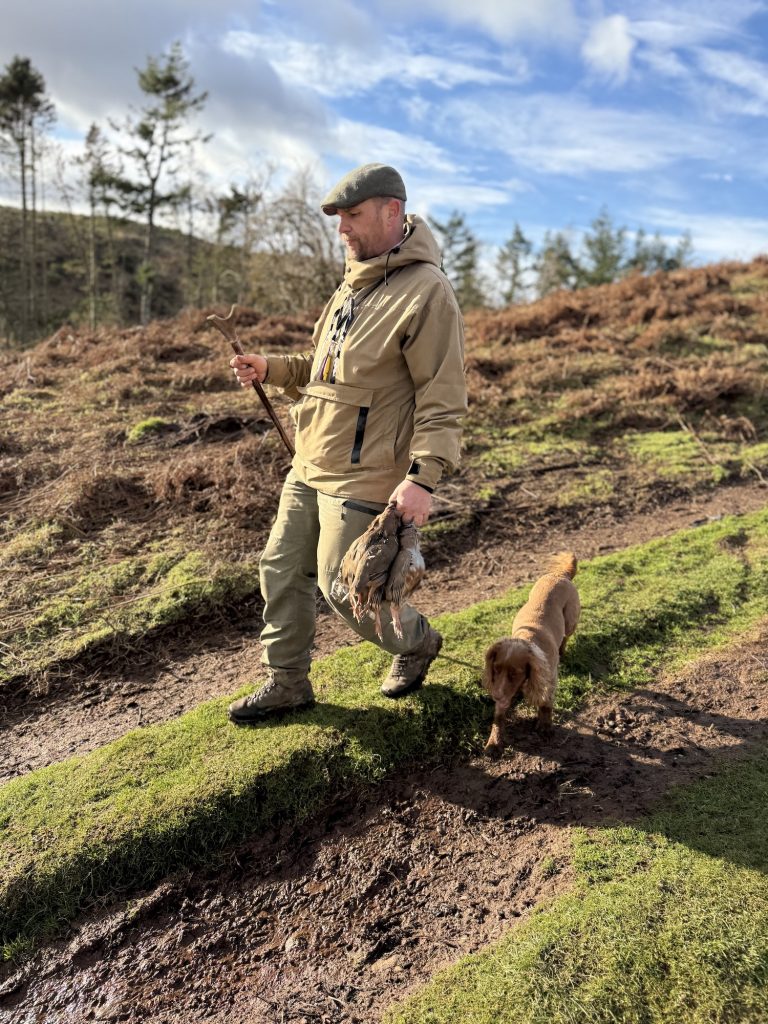
The rescue was established in February 2025. David has worked alongside dogs for over 30 years professionally on and off, alongside working self employed as a Joiner. He decided to jump in with two feet with the rescue after getting back into beating/shooting and hearing of peoples struggles in the area with some of their dogs and offering a helping hand.
The rescue is regularly used as an extremely last resort for owners that have dogs they can no longer manage, and those that have been turned down by many other relevant breed rescues due to the possible liability the dog can be. We are operating on a vet referral basis – where the owner and vet believe that the current situation of the dog is not suited and all avenues have been explored for keeping them in their own home, coming to the extremely hard decision that euthanasia is on the cards. A large percentage of the dogs that have come in over the past 12 months have gone to bite or have bitten already in their homes. Another common behavioural issue that has occurred is reactivity towards strangers and other dogs. Many of the dogs’ owners have been advised to put them down.
The rescue has taken in 20 dogs to date.
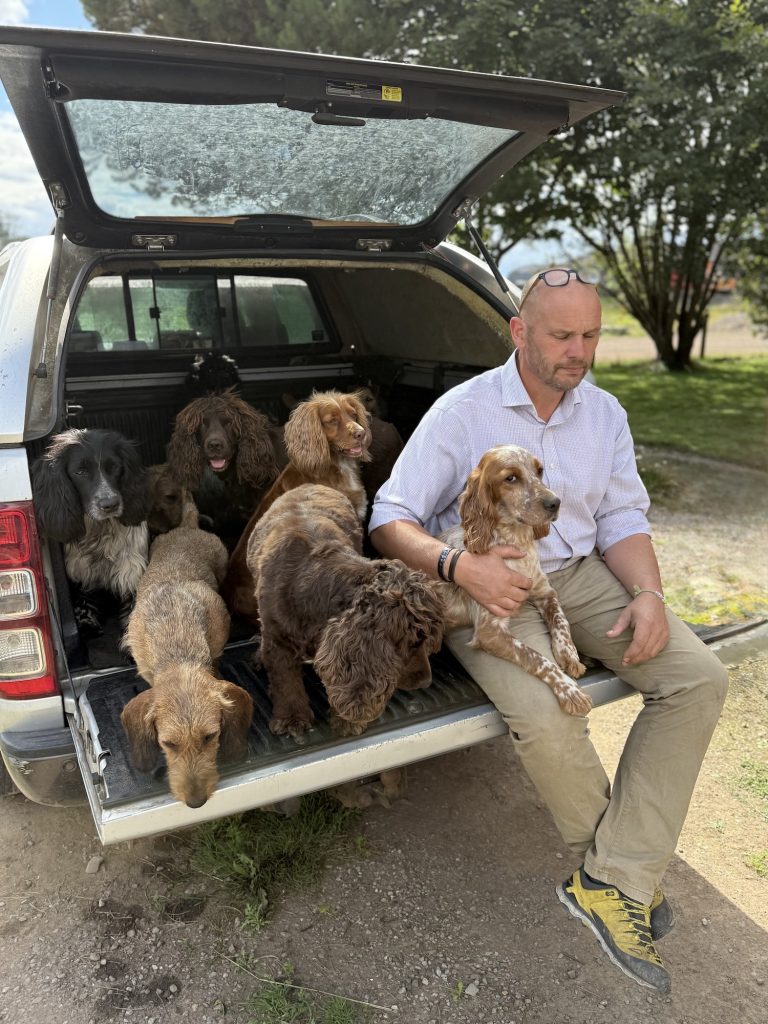
WaGRRS doesn’t use foster homes or kennels. These dogs are all brought into a home environment alongside all the dogs we own and current rescues. I often visit bringing my own pack of dogs and the rest of the zoo. The dogs are given as much time as they need to take in the explosion of life around them and we gradually build their confidence. Clear lines of acceptable and unacceptable behaviour are shown from the get-go.
It is our aim to rehome as many of the dogs as possible, provided they show enough development, progress and potential to avoid falling back into the bad habits that got them here. All the dogs that come to the rescue, whether it be from a working or non-working home, will be given the opportunity to see if they have more of a natural instinct to be out in the field at shoots etc so they can be paired with working homes (hobby or full time) if the dog is suited.
Any dogs that are believed to not cope in an everyday home environment without potential relapse will have a home at WaGRRS for life. These dogs become our sponsors.
What was the motivation behind starting WaGRRS?
Working dogs have had a piece of David’s heart since before I can remember. I have pictures as a toddler of me beside German Shepherds and Rottweilers. David worked with the training of security dogs for home and abroad, including explosives and drug search dogs, 30 odd years ago. Shooting and gundog working breeds are not just the definition of the “working” element of our rescue name. Whether it be farm working breeds as the collies and terriers or guard dog breeds as German Shepherds.
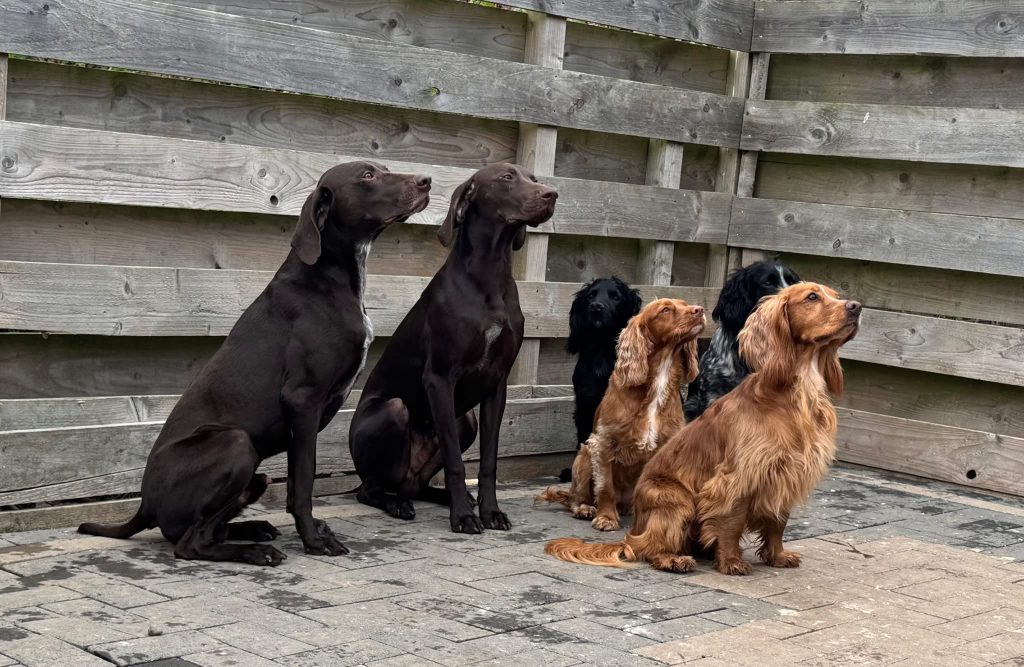
We have also been involved in the falconry and hunting scene for 15+ years, using dogs as an aid and tool through it all. It was during the time of working with the security dogs home and abroad that David fell in love with pointers.
What are the best bits about working with rescue dogs? And, if you don’t mind me asking, what are the toughest bits?
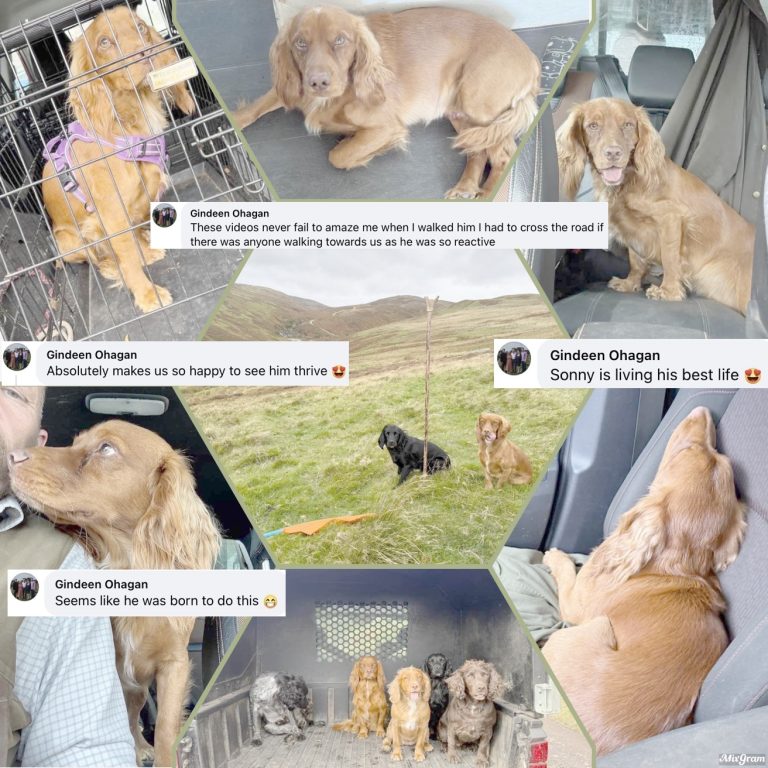
The best part is obviously seeing the progress and development that each of the dogs make. Seeing their confidence and development grow each time. The feedback from previous owners watching their dogs develop through social media is also an extremely rewarding part of what we do.
I think the toughest part is finding the dogs a new home. With so much time and interaction going into each of them they really do become a part of the WaGRRS family.
What are your goals for the rescue and your dogs over the next few years?
To promote what each breed was bred for. Promote interaction with our dogs and its importance. Promoting that it’s not all about the 20 minute training sessions but the remaining 23 hours and 40 minutes are just as important. As well, as our part of the countryside living on a farm we will be promoting the countryside wherever possible and how it works. The dogs will be a vessel as they are an integral part of country life for many of us.
Are there any ways that people within the Stile Community could help or support WaGRRS?
As we are ever evolving there will be various help we need. So, it’s more down to those out there looking in with an external pair of eyes reaching in to offer any help. It’s hard to ask for help when you set things up. It was David’s decision to jump into this so he feels like it’s all up to him to do everything that needs to be done.
We are grateful to anyone that would like to help via donations, purchasing products from our online store or through wish lists. All the money that goes into the rescue through any of these methods goes straight back into the dogs and the rescue.
We would also be highly grateful for any “waste” meat donations from shoots, butchers etc. You can look at our social media page on how we have utilised birds from estates we have worked the dogs on over the shooting season. We hand prepare all the meat and portion or mince prior to freezing into portions for dog food. All the dogs current and future will be raw fed on the meat we receive.
People spreading the word about the rescue not only for people that need help but also for people looking to add a companion to their home and/or working life.
Do you have any advice or top tips for owners of working dogs? Do you believe they need to be handled differently than other breeds?
Interaction, interaction, interaction. A lot of people that purchase a working or gundog breed automatically assume that they need a high level of exercise and stimulation. The more stimulation and exercise you offer the dog regularly the more they will want and anticipate getting.
No two dogs are the same just as with people, so no fixed way of training, exercise etc is going to work straight down the line. Allow yourself to read the body language and reaction of your dog to understand what way works best for you to interact. All dogs, working and gundog breeds or not, feed off our body language and reactions. For example, if you are nervous and anxious of a situation you find yourself in your dog can tell and will start to react. If you take a minute to stop, breathe and relax any tensions, your dog will do the same. Do not distract your dog’s attention away from what you are teaching it. Go for a walk with your dog rather than taking your dog for a walk. We see Cocker Spaniels as a main issue breed. A breed that was bred for close interaction. Yes hunting dogs love hunting, but they hunt with their handler, not for.
Do you have a favourite dog? You can say no!
The favourite at the time is the one I’m working with. We have our permanent family and with the aim of rehoming it’s very hard with what we do not to create a bond and favour one over the other.
Dogs that have come to the rescue to date are:
Wilson – Patterdale Terrier
Maple – Cocker Spaniel
Lewy – Cocker Spaniel
Doug – Cocker Spaniel
Ella – Patterdale Terrier
Jude – Cocker Spaniel
Oscar – Cocker Spaniel
Barney – Cocker Spaniel
Bruce – Springer Spaniel
Rufus – Labrador
Mosby – Labrador Retriever
Billy – Cocker Spaniel
Lucy – Cocker Spaniel
Bertie – Cocker Spaniel
Ted – Cocker Spaniel
Luna – Lakeland Patterdale Terrier
Bramble – Lakeland Patterdale Terrier
Sonny – Cocker Spaniel
Pablo – Cocker Spaniel
Matt – Cocker Spaniel