How hunting connects food, family, and memories that last a lifetime, with The Outdoor Gibbon.
Could you introduce yourself and tell us a bit more about your connection to hunting?
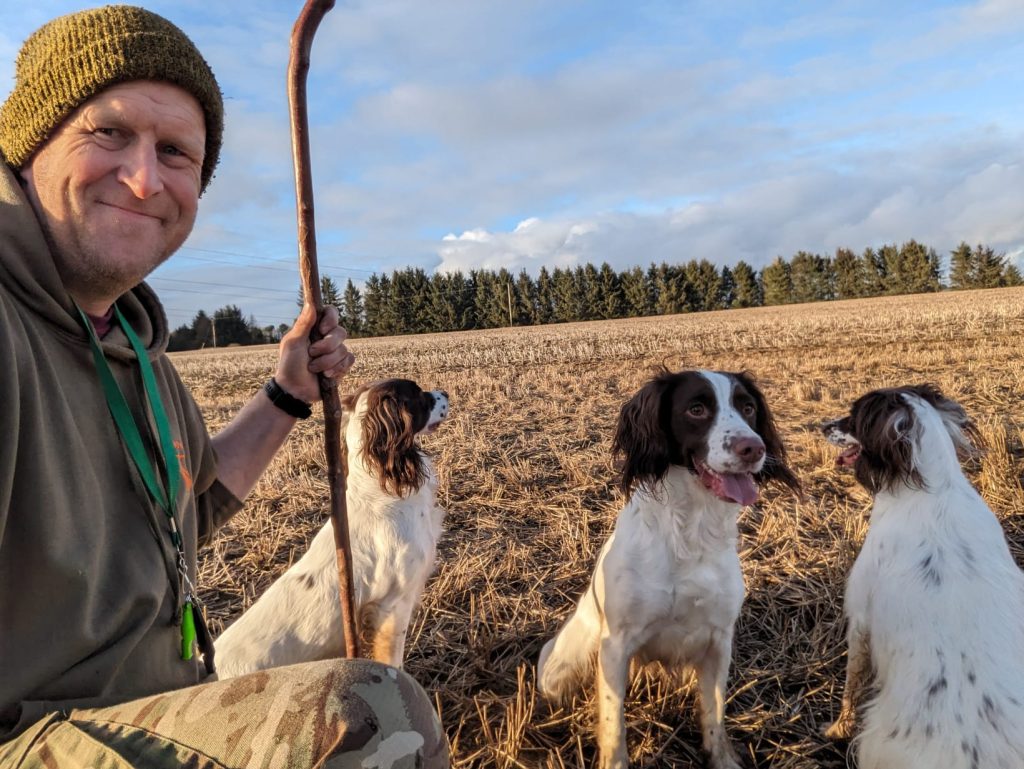
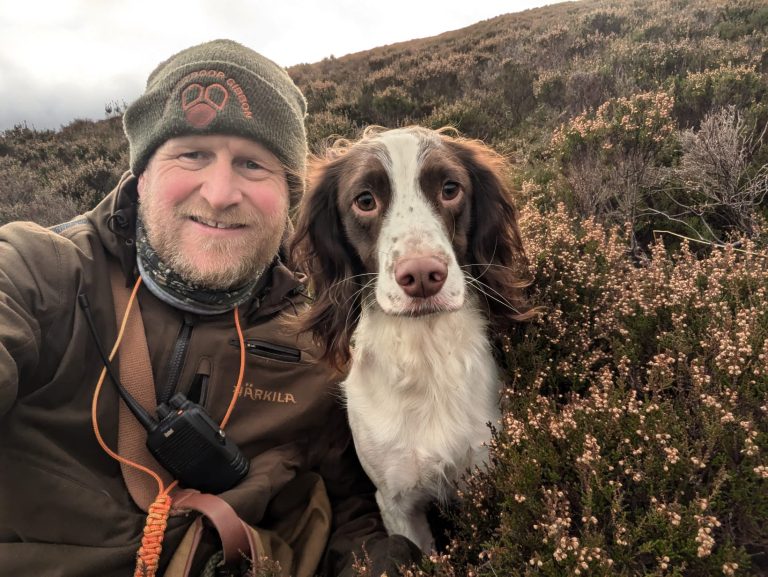
Hello, my name is Peter Gibbon and I run The Outdoor Gibbon podcast. I believe that if I didn’t go stalking my family would eat less red meat; my hunting actually brings in over 90% of the meat that we eat. Occasionally we buy some ham or some other products like sausages, but all the rest of the meat that we use in our household comes from my hunting throughout the year. That could be pheasant to venison or maybe swapping some of my venison for some local pork, or doing a deal with a farmer to get a lamb.
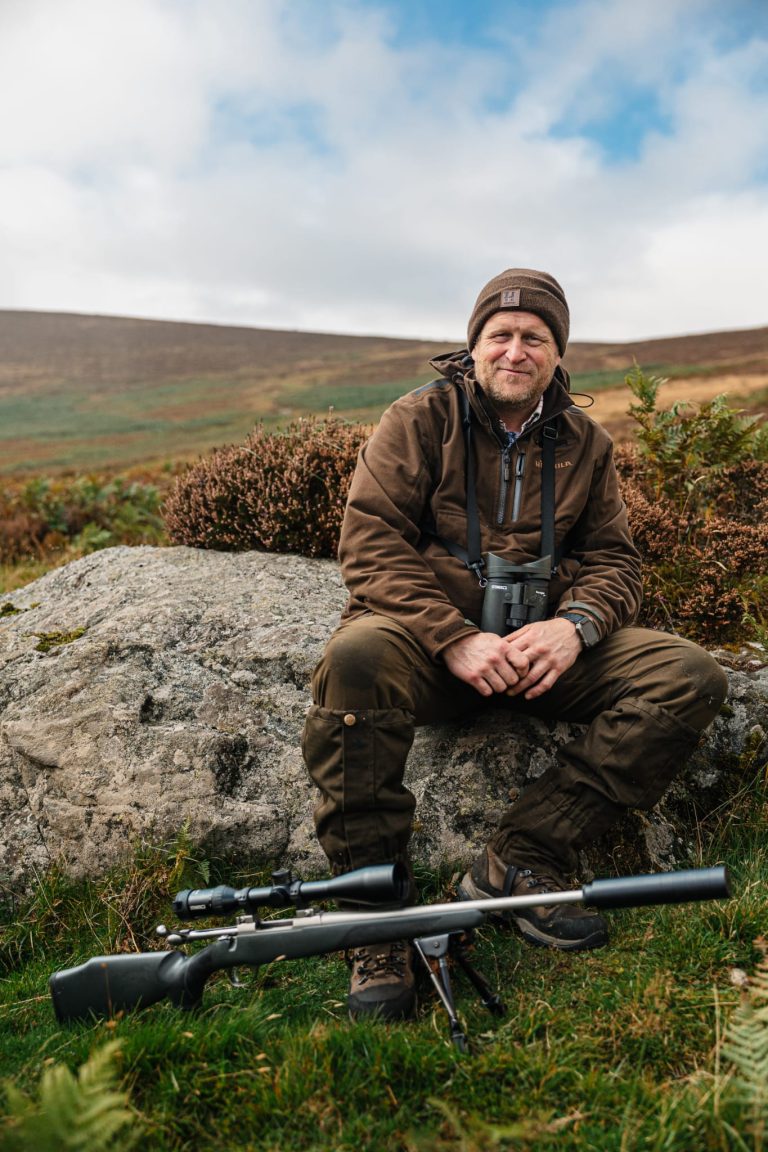
Stalking for me isn’t just about going out and taking a life. I think it’s more complex. It’s being out in the wild surrounded by nature using skills that we’ve developed over thousands of years as human beings. To be able to stalk in close enough to take that animal, but then knowing that the animal you’ve taken is going to provide meals for you, your family and the wider community.
Why do you put the skulls up on the wall, are they there as a trophy of what you’ve shot?
No, they are there as a memory. In a way it honours the animal that I’ve taken. I can tell you every stalk I’ve been on where there is a skull on the wall. The place I was at, the time and weather of the day. It’s one of those things that starts conversations, you can share the memories with people like a photo album or a treasure chest. That was a good stalk. That animal made me work hard to take that or I was with my wife when I took that animal and she helped me drag that deer out of the forest.
Why did you create the podcast?
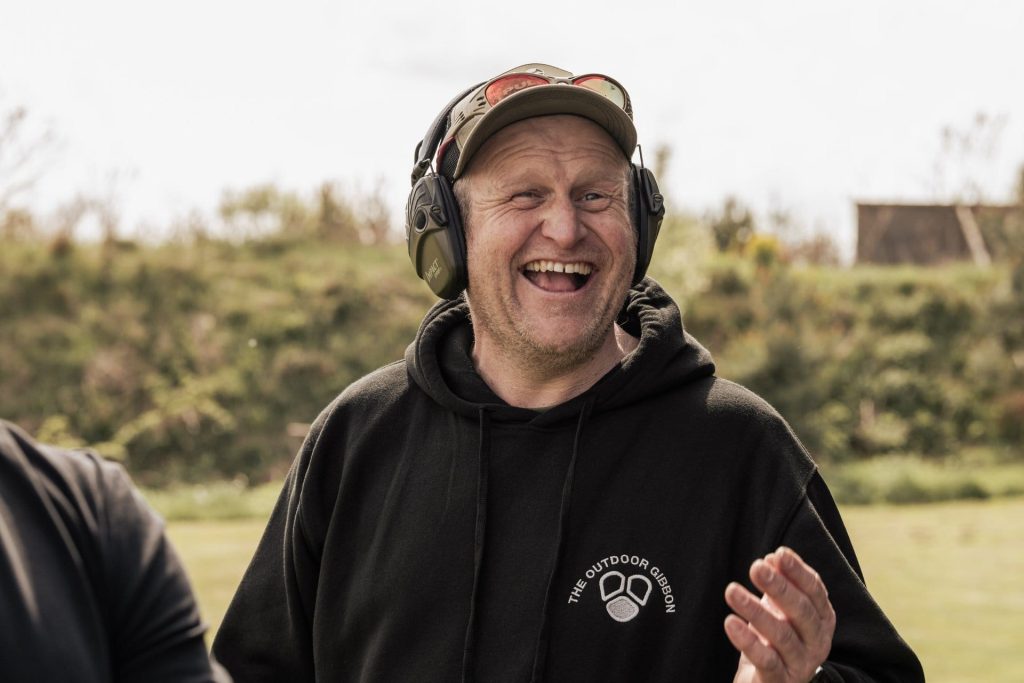
I think the podcast for me was a place to store memories, to allow me to put down information about things that others might find interesting, as well as a record for my children. As time went by and I started interviewing people, I realised that it was a fantastic platform to share other peoples’ stories. To allow people from all over the world to connect with a hunter, or somebody of interest, and share their passion and their story. It is also a way to potentially educate a future generation – showing them how somebody else does something or how a different country operates its hunting procedures, or even how somebody finds gold or turns a fleece into a usable product like a twine.
Listen to The Outdoor Gibbon on Spotify and Apple Podcasts